Trusted by global manufacturers for high-performance talc and calcium carbonate. Consistent quality, fast delivery, free samples.
Improves Foam Density Control and Surface Finish in Shoe Sole Production
🧑💼 Customer Background
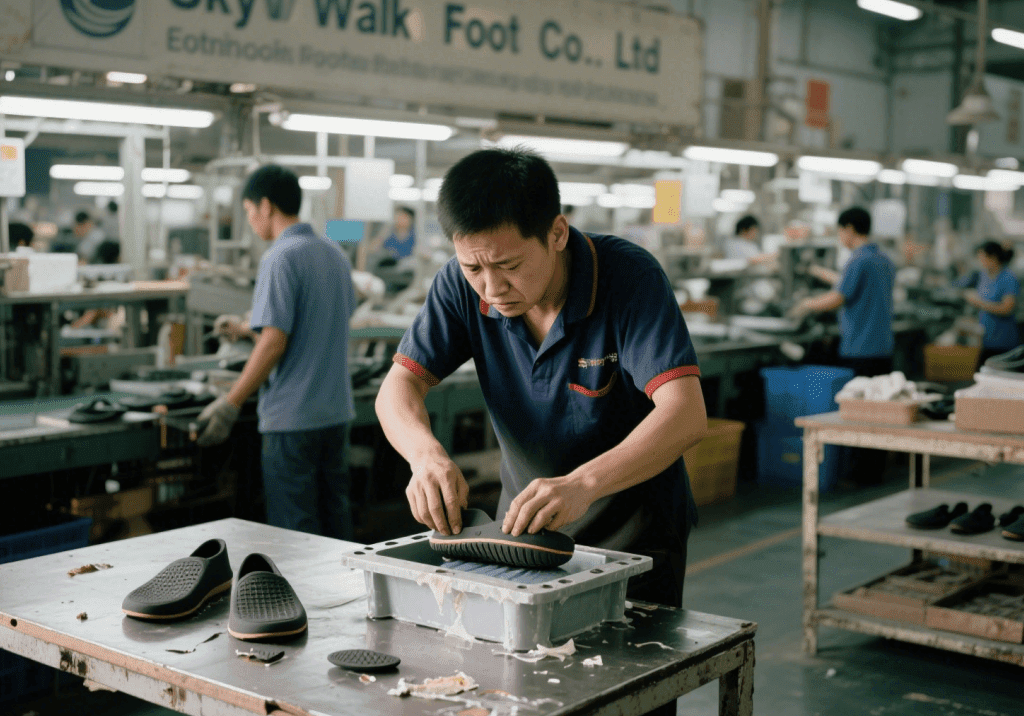
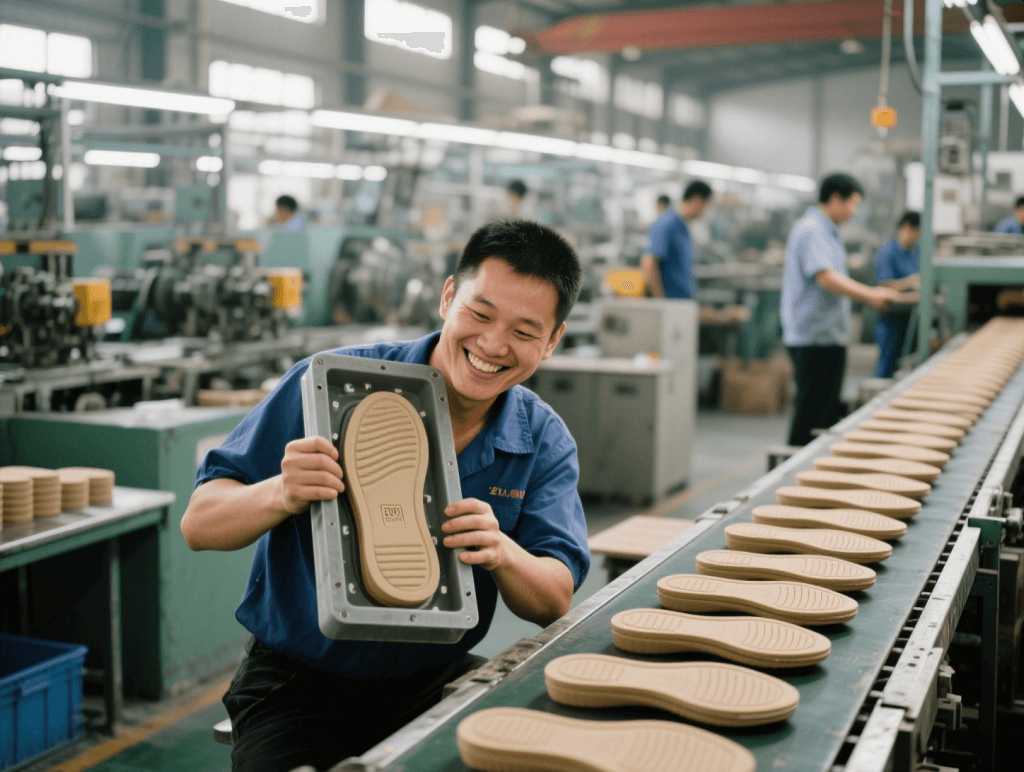
This client specializes in EVA and TPR foam shoe materials, supplying components like midsoles and outsoles for casual footwear, flip-flops, and sports shoes. Their daily output exceeds 60,000 pairs, serving both domestic OEMs and international brands.
With growing demands for lightweight, durable, and eco-friendly soles — along with increasing raw material costs — the customer needed a way to stabilize foam performance while reducing production waste and cost.
❗ Challenges Faced
The customer used lightweight fillers and chemical blowing agents, but encountered persistent issues:
Uneven foam cells and unstable expansion ratio, leading to inconsistent density and hardness
Rough surface texture and color blotches, affecting product appearance and hand feel
High batch-to-batch variation, especially during hot summe
Filler sedimentation at the mold bottom, causing molding defects and cleaning issues
They tested low-grade talc powder, but poor dispersion, inconsistent particle size, and high ash content made problems worse.
🛠️ Xufeng's Solution
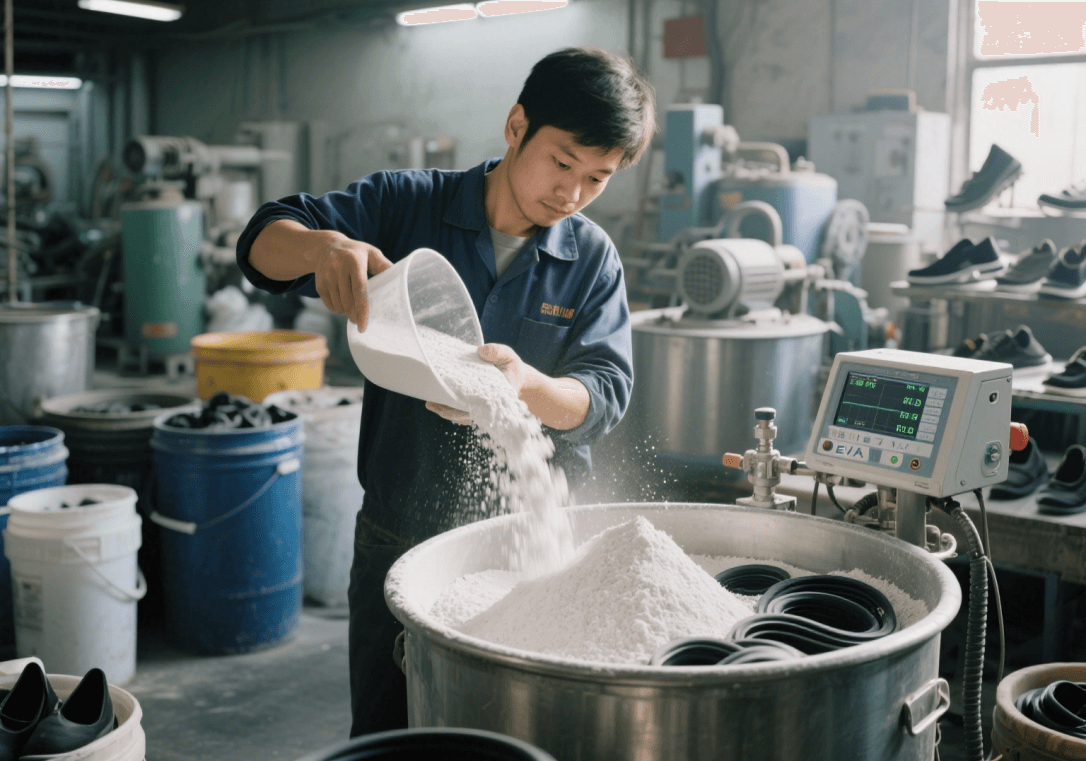
Xufeng recommended BHS-818, a talc powder specifically engineered for foam-based shoe materials, featuring:
D90 ~8μm, consistent fine particle size to stabilize foam cell structure and expansion
Controlled platelet shape, improving structural support and tactile comfort
Surface-treated for EVA/TPR compatibility, reducing sedimentation and enhancing uniform dispersion
Low ash, high purity, preventing defects like specks, mold deposits, or surface burns
Our team also provided process optimization support, helping the client adjust blowing agent ratios, mold temperature zones, and mixer speed to integrate BHS-818 effectively.
📊 Results After Implementation
After two weeks of production trials, the client reported:
✅ Foam density variation reduced by over 40%, with a consistent pass rate above 96%
✅ Surface smoothness improved by ~30%, and color uniformity enhanced
✅ Mold contamination reduced by 50%, cutting cleaning and downtime
✅ Foam expansion became more predictable, weight variation dropped from ±12g to ±5g
✅ Overall cost reduction of ~7%, from improved filler-agent balance
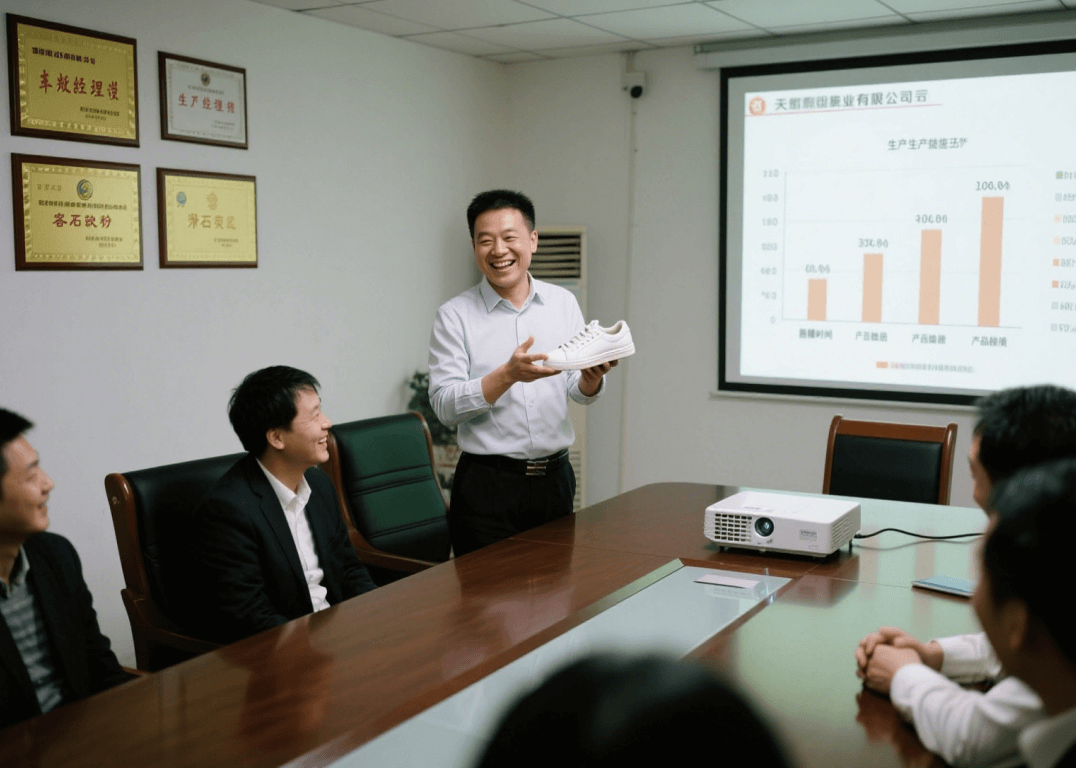
Customer Testimonial
“Our main concern with fillers was always color consistency and foam collapse. But BHS-818 surprised us — it gave stable expansion, smoother texture, and less machine trouble. Xufeng’s help with process tuning made a big difference too.”
OURresults
After two weeks of production trials, the client reported:
✅ Foam density variation reduced by over 40%, with a consistent pass rate above 96%
✅ Surface smoothness improved by ~30%, and color uniformity enhanced
✅ Mold contamination reduced by 50%, cutting cleaning and downtime
✅ Foam expansion became more predictable, weight variation dropped from ±12g to ±5g
✅ Overall cost reduction of ~7%, from improved filler-agent balance